

I’ve always been intrigued by how gaming technology can be reused for serious, real-world tasks https://aviatorscasinos.com/spaceman/. The keyword « Ultrasound Appointment Spaceman Game » generates a strange mental picture, but it in fact refers to something tangible taking place in UK hospitals. It’s about applying the engaging mechanics of a famous online crash game and locating their parallels in cutting-edge medical scanning. This article will explore that link, looking at how instant data graphics and player involvement, the exact elements that render a game like Spaceman engaging, are now influencing how we carry out and go through ultrasound scans. My objective is to move past the odd keyword and investigate a genuine technological crossover.
The Unexpected Parallel: Gaming Mechanics and Medical Imaging
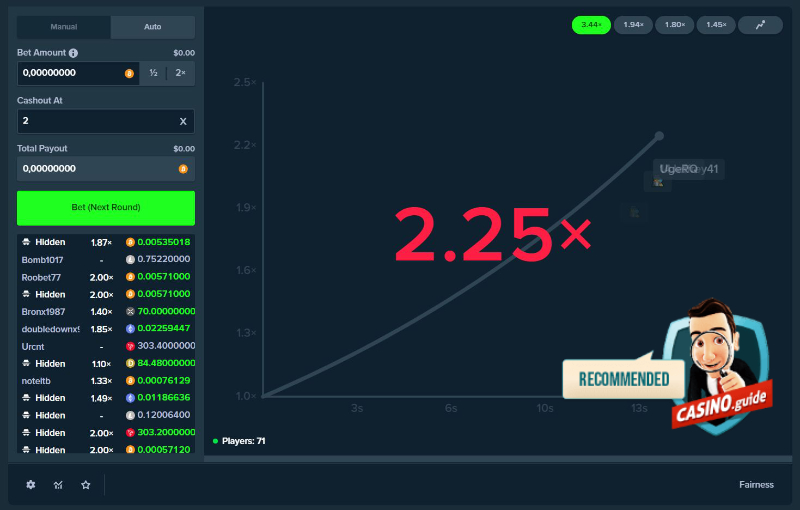
Let’s examine what makes a game like Spaceman work. Players watch a graph shoot upwards, determining the perfect moment to cash out before it randomly crashes. The thrill comes from analyzing a live, visual representation of risk. Now, imagine an ultrasound appointment. A sonographer moves a probe, and instantly, sound wave data transforms into a live image on a monitor. The professional must interpret this moving visual stream, picking out anatomy and potential problems from the grey-scale noise. The link lies in the human interaction with a live, data-driven screen. Both situations require intense focus on a visual output that changes from second to second, where timing and skill make all the difference. In the game, you might win virtual money. In the clinic, you gain diagnostic clarity.
This similarity isn’t accidental. Designers in both gaming and medicine face the same core problem: how do you make complex data instantly readable for quick decisions? The gaming industry has refined visual feedback, using colour and motion to keep players immersed. Medical imaging tech, especially in newer diagnostic machines, is incorporating from these lessons. The objective is to lower the operator’s mental workload, so they can focus on interpretation instead of fighting with clumsy controls. It signals a shift from seeing these machines as simple scanners to viewing them as interactive systems where the human-machine relationship is essential.
Ultrasound Technology in the United Kingdom: A Tradition of Innovation
The United Kingdom has a notable history in medical imaging, home to leading research centres and an NHS that both drives and integrates new tech. Ultrasound, due to its safety, portable and avoids radiation, has evolved dramatically. We’ve gone from basic 2D images to 3D and live 3D (4D) scans, Doppler for blood flow, and elastography for tissue stiffness. What catches my eye is the software revolution. The hardware gathers the raw data, but it’s the advanced algorithms—similar to those behind game graphics—that construct and enhance the pictures. UK universities and firms are at the leading edge of developing AI-assisted software that can detect anomalies automatically, take measurements, and improve images in real time.
This landscape is perfect for bringing in gamified ideas. Take training simulators for sonographers. They now often function like flight simulators or complex video games. Trainees use a dummy probe on a mannequin while a screen shows a realistic, software-generated ultrasound scene that responds to their movements. These setups offer instant feedback on probe angle and image quality, turning a steep learning curve into a structured, engaging process. It’s a direct application of simulation tech from military and gaming sectors, and it’s enhancing skills and patient safety before a trainee ever treats a real patient. It’s a clear example of cross-industry pollination, and the UK’s medical and tech sectors are deep in conversation about it.
Gamification prožitku pacienta Během sonografických skenů
The most direct and heartening use of this spočívá v dětské zdravotní péči. Každý, kdo viděl a small child face a medical scan zná ten boj. Temná místnost, zvláštní stroje, neznámá osoba se studenou sondou pokrytou gelem—je to děsivé. V tomto bodě herní interakce nachází skvělé uplatnění. Podíval jsem se na systémy, kde monitor ultrazvuku is overlaid with animovanými postavičkami. As the sonographer moves hlavicí k dosažení klinických záběrů, dítě pozoruje pohádkový svět, a cartoon character, či hledání pokladu rozvíjející se v reálném čase, vše poháněno aktuálním skenovacím obraze.
Proměna Úzkosti na Zapojení
Soustředění dítěte se přesouvá ze strachu to fascination with the story. Tato spolupráce is more than a gimmick; je to praktická nutnost. Klidné, nehybné dítě means rychlejší a kvalitnější vyšetření, omezující nutnost uklidnění či dalších prohlídek. Technologie uses the scan’s own data to run the game, so the sonographer still gets všechny potřebné diagnostické snímky zatímco je dítě rozptýleno. Tato hladká kombinace klinické povinnosti and patient-centred design is, to me the best kind praktické gamifikace.
Aplikace in Maternal a dospělé péči
The idea přesahuje pediatrii. Pro nastávající rodiče during a routine prenatal scan, je ten okamžik již emocionálně nabitý. Moderní zařízení offer more than just a screen to stare at. Nabízejí průvodní komentář, highlight the baby’s heartbeat s vizuálními prvky, a usnadňují sdílení obrazu on personal devices. For adults, hlavně během zdlouhavých skenů, prostředí s vizuálními prvky or guided breathing exercises přizpůsobené proceduře can lower anxiety. Základní herní mechanika je zde feedback and reward—ale odměnou je porozumění, propojení a menším stresu, místo bodů nebo mincí.
Simulation and Education: The « Spaceman » Pilot Analogy for Sonographers
Consider how a pilot practices for emergencies in a simulator. Modern sonographer training has adopted the same high-fidelity simulation approach. The parallel to the Spaceman game’s tension is fitting. In the game, you learn the feel of the curve through repetition without risking real money. In a simulator, a trainee can « crash »—by performing a probe handling error or misinterpreting a simulated pathology—with no hazard to a patient. These platforms often include a library of rare and complex cases a professional might only see once, allowing for deliberate practice. The advantages are clear and many:
- Risk-Free Mastery: Trainees can repeat procedures as many times as needed, developing muscle memory and diagnostic confidence in total safety.
- Standardized Assessment: Trainers can assess performance objectively, recording metrics like image acquisition time, probe stability, and diagnostic accuracy against a known example.
- Bridging the Theory-Practice Gap: Transitioning from textbook pictures to the messy, dynamic reality of a live scan is a huge leap. Simulators offer that essential middle stage.
What’s more, these systems often include elements of progression and difficulty, which are central to any simulation. Trainees tackle harder cases, receive scores or performance reviews, and can track their improvement. This structured, goal-oriented learning draws inspiration directly from gaming’s playbook on motivation. The UK’s focus on high-standard medical training establishes it as a prime adopter of such tech, helping to ensure the next wave of sonographers is more skilled than ever.
Visual Data Representation: Moving from Fixed Graphics to Dynamic Real-Time Mapping
Here, the technological connection between gaming graphics and medical imagery becomes particularly fascinating. Older ultrasound machines offered a blurry, coarse, dynamic picture that only an expert could love. Modern interfaces are much more instinctive and data-dense. Imagine the HUD in a detailed real-time strategy game, which overlays troop health, supplies, and terrain views in a clear manner on the display. Current ultrasound technology operate on a parallel idea. They can display multiple imaging modes at once (2D, Doppler, 3D), overlay quantitative tools, emphasize regions of interest with AI-assisted colour coding, and chart blood flow in clear, directional colors.
This leap in information graphics goes beyond mere aesthetics. It transforms the diagnostic workflow itself. A cardiac expert assessing cardiac valve performance, for example, is able to view the spatial anatomy, the colour Doppler blood flow, and numerical data of velocity and pressure differences in one comprehensive screen. This comprehensive, integrated presentation facilitates more rapid, greater diagnostic confidence. The operator is, essentially, « piloting » the scanning system through the body’s landscape, with the console serving as a detailed control center. This transition from passive observation to dynamic interaction parallels the distinction between viewing a movie and experiencing an interactive game. It positions the clinician in immediate, active command of the diagnostic process.
What Lies Ahead: Artificial Intelligence, VR, and the Next Frontier of Convergence
What does the future hold? The fusion is gaining pace. AI is the main force. Algorithms powered by AI, developed using huge datasets of ultrasound scans, are transitioning from rudimentary help to genuine enhancement. I anticipate systems that act as a assistant. In live, they could recommend the ideal probe location, locate on their own typical anatomical views, flag potential abnormalities for a closer look, and even draft preliminary reports. It’s similar to the responsive AI in games that adjusts difficulty or gives hints, but here the stakes are medical accuracy and effectiveness.
The Function of Virtual and Augmented Reality
VR and AR are poised to make things even more immersive. Picture a physician wearing smart glasses that display a three-dimensional ultrasound image of a patient’s tumour directly onto their physique before an operation. Or a medical student employing VR to « step inside » a 3D ultrasound scan of a heart to understand its anatomy in three dimensions. These tools, born from gaming and entertainment, are being perfected for serious medical use in laboratories across the UK. They aim to eliminate the remaining hurdle between the virtual image and the tangible reality of the body.
Hurdles and Moral Questions
This vision isn’t without its hurdles. Reliance on AI must be tempered by human oversight. The « black box » issue of some systems needs addressing. Protecting the security of the large medical databases used to develop these platforms is crucial. There’s also a key ethical requirement to make certain these cutting-edge tools decrease medical inequities within healthcare systems such as the NHS, rather than just providing more impressive tech for some. The tools must work to make healthcare improved and more available for every person.
Key Insights for Patients and Practitioners
For individuals in the UK about to have an ultrasound, being aware of this shift can simplify the process. You’re not just receiving a scan; you’re interacting with a sophisticated piece of human-centred technology. Don’t hold back to ask questions about what you see on the screen. Expecting parents might want to look for centres that use advanced visualisation tools for a more engaging experience. Parents of young children can ask if paediatric gamification techniques are available to help ease their child’s fear.
For medical professionals and trainees, embracing this convergence is crucial. Using simulation training is now a fundamental part of cutting-edge practice. Getting comfortable with AI-assisted tools will become as basic as learning to hold a probe. The future sonographer or radiologist will be part imager, part data interpreter, and part technology operator. Here are the practical implications, broken down:
- Improved Education: Use simulation platforms heavily to build skill safely and thoroughly.
- Embrace AI Assistance: See AI as a tool that boosts clinical expertise, improving diagnostic speed and consistency.
- Emphasise Patient Communication: Use the technology’s features to improve communication and comfort, making the scan a collaborative session.
- Continuous Learning: This field moves fast. A mindset geared towards ongoing technological learning is essential.
That strange phrase, « Ultrasound Appointment Spaceman Game, » opened a door to a significant technological synergy. The UK’s medical tech sector is expertly weaving in the engagement mechanics, real-time visualisation, and simulation frameworks first honed in the gaming world. From turning frightened children into willing participants to giving surgeons rich, immersive maps of the body, this crossover is making healthcare more effective, efficient, and human. While the Spaceman game itself is just entertainment, the principles it showcases—real-time risk assessment based on dynamic visual data—are finding a deep and meaningful resonance in the clinic. The future of medical imaging isn’t just about sharper pictures. It’s about smarter, more interactive, and more compassionate systems, and that journey is being shaped by an ongoing dialogue between gaming consoles and medical clinics.